The impact of the digital economy is gradually penetrating into the fashion designer industry. From my perspective, the influence on the production and design process of fashion products is the most extensive. To some extent, the digital economy may have led the transformation and upgrading of the design process compared with the traditional design process. Secondly, I believe that the digital economy has also changed the design concept and idea of fashion designers. Therefore, I will analyze the changes of fashion designers in the digital economy from the above two aspects, as well as predict its future development changes and trends.
The 3D technology of fashion industry is regarded as a revolutionary and subversive technology. Due to the limitation of materials, 3D printed clothing fabric has poor wearability and far less color than traditional fabric. However, it can bring infinite creative inspiration to designers. Firstly, 3D printing technology can be produced at will according to the designer’s idea, truly realizing personalization. Then it is a one-time molding, rapid manufacturing, and eliminating multiple processes of traditional technology. Using the method of quantity increase rather than the traditional method of quantity decrease, saving raw materials, basically no waste. With the rapid development of 3D printing technology, the continuous research and development of new textile materials, combined with 3D anthropometry, CAD and other technologies, the “single measurement and single cutting” of automation will be realized in the future. In the future, customers can print their required textile and garment products at home or anywhere. (Arribas V, Alfaro J, 2018) Body scanning systems use light beams to generate 3D images from point cloud data and provide highly accurate body measurements. This data has been applied to the creation of anthropometric mannequins and virtual avatars, used for design and marketing visualisations and new virtual-try-on solutions.
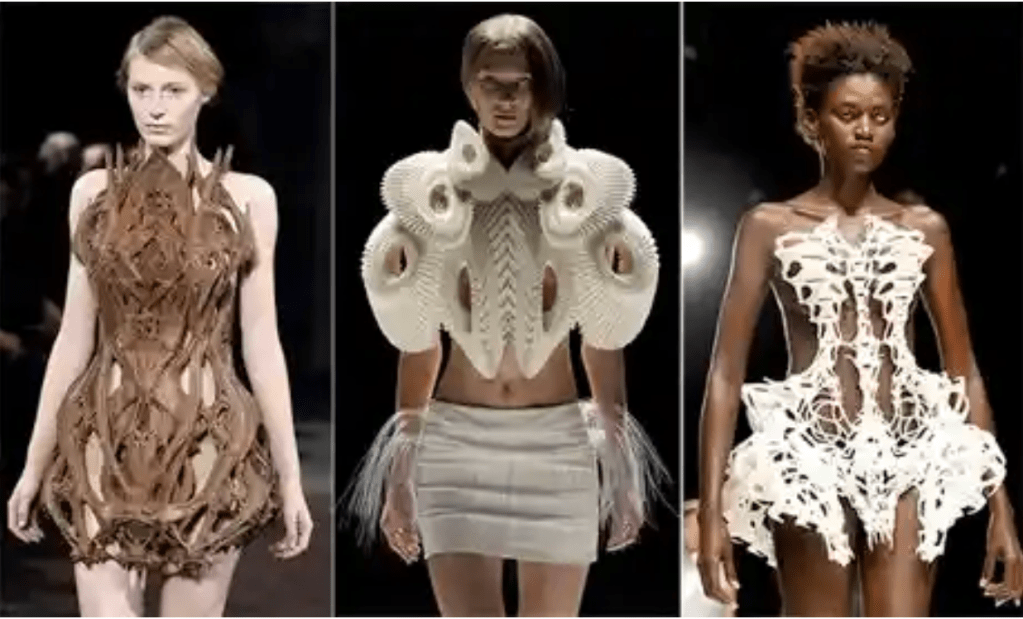
Figure 1: 3D printing technology (Fisher A, 2020)
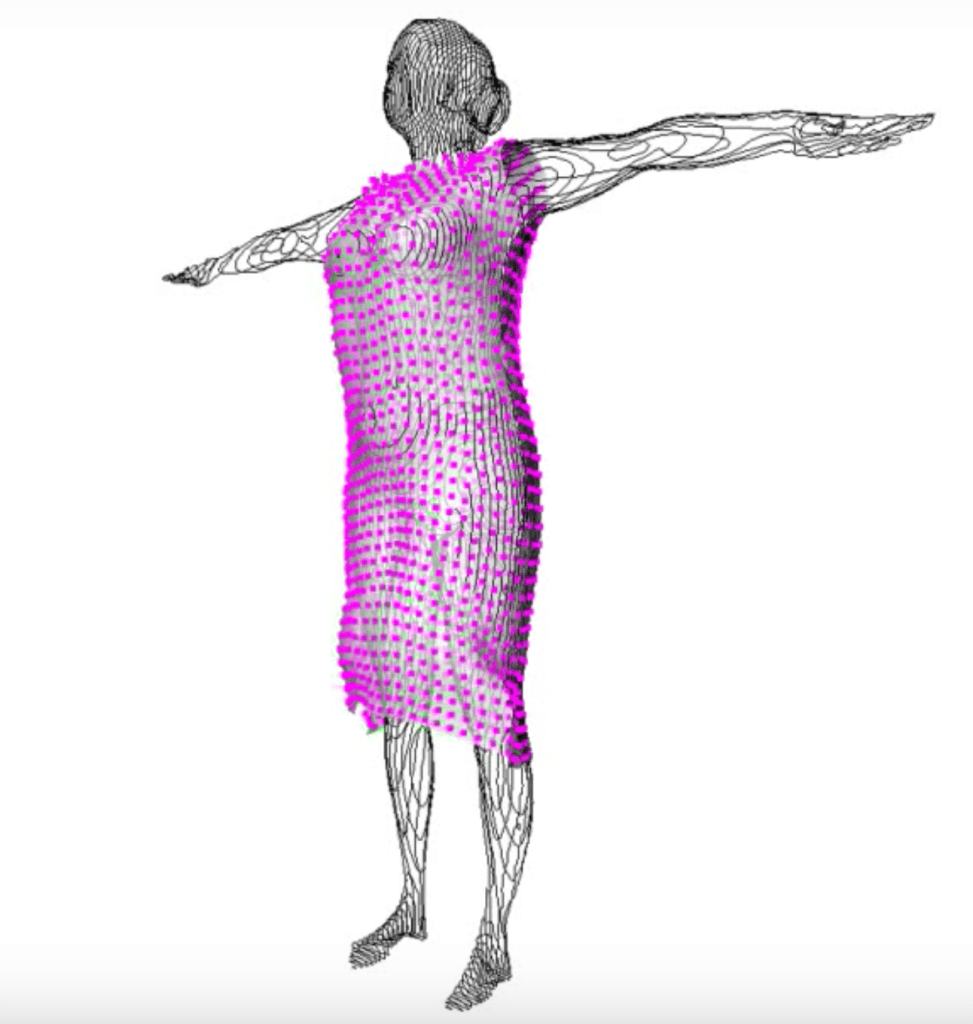
Figure 2: 3D anthropometry (Aniwaa, 2020)
The Internet is a approach to bring people from different backgrounds around the world into the fashion trend of digital clothing. As long as you have a device, you can take advantage of this network and use technology to connect with all of us, which is a real democratic platform for identity and expression through digital means. (Crewe L, 2013) So some designers began to create digital fashion. Amber Jae slooten, who put forward the idea of Thought couture, officially released The Fabricant in 2018. (ThePowerHouse, 2020) Thought couture is basically digital Couture that is added to the blockchain, with the idea of making people think about the impact that it has, and what is behind it all. Digital fashion is a complete way of self-expression, without the limits of size, body type, gravity and other factors. (ELLE, 2020)
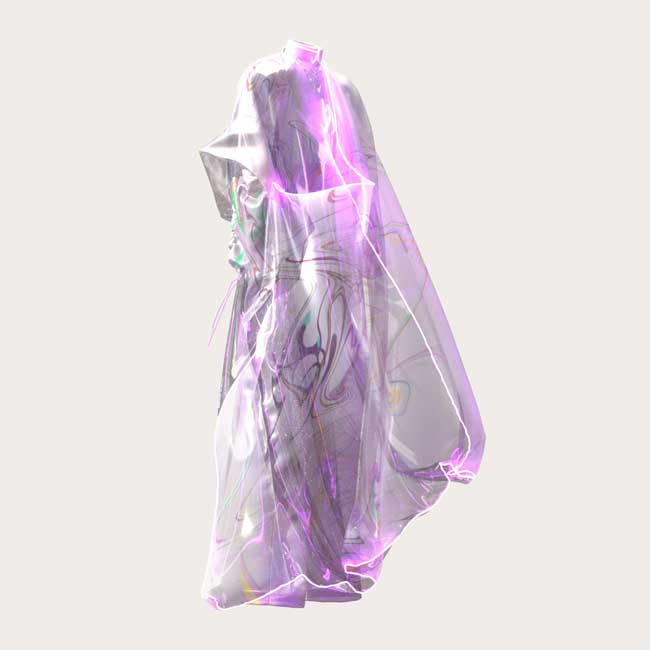
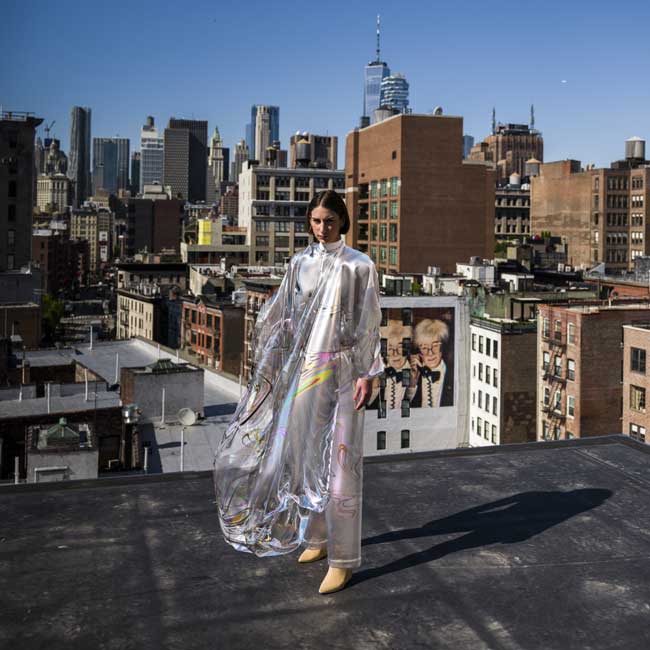
Figure 3&4: Thought couture (ThePowerHouse, 2020)
Sustainable fashion is becoming the mainstream of leading fashion industry. In the future career development of fashion designers, the concept of sustainability will be applied in the design process in combination with the digital economic model. It’s no secret that our fast fashion habit is causing irreparable damage. Clothing emissions exceed the combined value of all shipping and international flights. Now there is a broader push to make the fashion industry less disruptive and digital trends are helping. Sustainability is increasingly seen as a business opportunity and there is a call to equate the term “sustainability” with the success of the industry. (Mougey K, 2020) The demand for ethical clothing has increased exponentially, with 66% more searches for “sustainable fashion” occurring since 2018, according to fashion search engine Lyst. Therefore, digital tailors will emerge as a branch of designers in the fashion industry, which is a very novel way of working. Digital tailor will use the high flexibility and inclusiveness of digital clothing to meet the changing needs of consumers. Digital clothing is virtual and digital, and all its production process depends on technology. Therefore, designers need to be proficient in 3D technology and modeling technology. Compared with the traditional fashion design, digital clothing is like carving on the customer’s body, rather than creating patterns and sewing them together. So the main work of digital tailor is to use 3D measurement technology and modeling technology to create virtual clothing to achieve a high degree of fit between body and clothing. After purchasing, customers can publish photo clothing on social platforms. Of course, this service is aimed at customers who have a high pursuit of fashion trends. For them, clothing nowadays is more like an art form for social media. Fashion designers will continue to advance with the digital economy, which will bring more creativity and inspiration to designers.
Works cited
Arribas, V. and Alfaro, J. (2018). 3D technology in fashion: from concept to consumer. Journal of Fashion Marketing and Management: An International Journal, 22(2), pp.240-251.
Aniwaa. (2020). The best 3D body scanners in 2020 – Reviews and buying guide. [online] Available at: https://www.aniwaa.com/best-of/3d-scanners/best-3d-body-scanners/ [Accessed 12 Feb. 2020].
Crewe, L. (2013). When Virtual and Material Worlds Collide: Democratic Fashion in the Digital Age. Environment and Planning A: Economy and Space, 45(4), pp.760-780.
ELLE. (2020). Influencers Are Now Buying Virtual Clothes They Will Wear On IG But Never Touch IRL. [online] Available at: https://www.elle.com/uk/fashion/a28166986/digital-fashion-dressing-virtually/ [Accessed 12 Feb. 2020].
Fisher, A. (2020). 3D-printed fashion: off the printer, rather than off the peg. [online] the Guardian. Available at: https://www.theguardian.com/technology/2013/oct/15/3d-printed-fashion-couture-catwalk [Accessed 12 Feb. 2020].
Mougey, K. (2020). Digital trends reshaping the business of fashion. [online] LiveArea. Available at: https://www.liveareacx.com/blog/5-digital-trends-reshaping-the-business-of-fashion/ [Accessed 12 Feb. 2020].
ThePowerHouse. (2020). The future of self-expression: What digital fashion? by Amber Jae Slooten of The Fabricant – ThePowerHouse. [online] Available at: https://thepowerhouse.group/digital-fashion-amber-jae-slooten-the-fabricant [Accessed 12 Feb. 2020].
 Nico's QQ space
That is great! I didn’t realize that fashion can follow the development of digital economy! What impresses me is that our fashion can also be combined with high technology. Thanks for Nico’s article, let me have a new understanding of the innovation of the clothing industry!
赞Liked by 1 person
Fashion has always been her passion in this half of the year I met Nico. This is a very profound article. Nico must have completed her sublimation when she gave out this article. oh, Nico, my muse, be the valentine of fashion universe.
赞赞
I believe that digital designers will become the main force for future fashion. The development of digital fashion towards personalization and sustainability is the progress of society, looking forward to it.
赞赞
NICO’s article has given me a new understanding of the application of digital technology in the fashion industry. I very agree with what she said in the article, which has greatly increased the reduction of design output for designers. It also makes me curious about the application of these technologies. Will these high-tech applications increase customer spending on clothing?
赞赞
It is really a question worth thinking about. I think it depends on the positioning of customers.
赞赞
This is a very creative blog related to fashion industry. Nico explained how digital economic affects the fashion industry and give examples, such as 3D printer. As for me, I don’t know much about the fashion industry before. Thanks for Nico, I became interested in the fashion industry and look forward to seeing the development of fashion industry.
赞赞
The visual narrative with pictures is very attractive.
The impact of 3D printing technology on the general clothing industry may be limited, but it will certainly be a powerful tool for clothing artists.
The inspiration for virtual clothing is very interesting. It sounds like material for virtual characters or Photoshop, but I have some doubts about its application value.
Very cute Niko.
赞赞
NICO, bro
赞赞